
Court Judgment Translation
Sworn German translations of court orders, judgments and decrees
Modern life often crosses borders, but court judgments do not automatically follow. A divorce order, custody order, probate decision or inheritance judgment issued in an English-speaking country may need to be presented in Germany for recognition, registration or official review.
German authorities such as the Standesamt, Familiengericht, Nachlassgericht, immigration offices, registry offices or legal representatives often require a sworn German translation prepared by a court-sworn translator.
Nachtigal Services provides certified English-to-German translations of court judgments, divorce orders, custody orders, probate documents, court decrees and related legal records with precise terminology, clear structure and attention to every signature, seal and procedural detail.
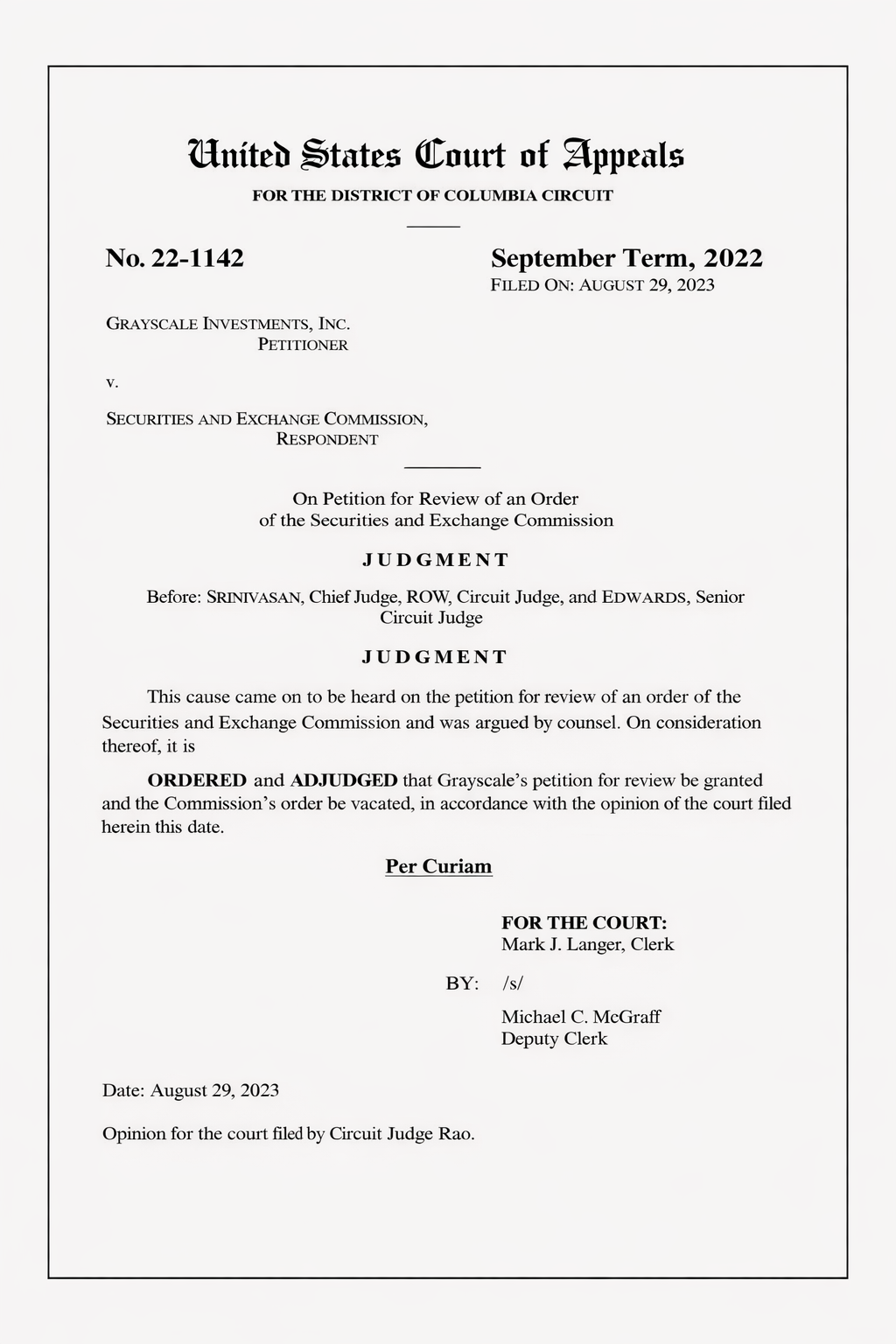
When is a court judgment translation needed?
A certified translation of a court judgment may be required when a foreign court decision must be recognized, registered, checked or used in Germany. This often applies to family law, probate, inheritance, civil proceedings, name matters, residence procedures or administrative applications.
The receiving German authority must understand not only the outcome of the case, but also the legal effect of the document. For this reason, the translation must accurately reflect the type of order, the parties, the court, the date, the file number, the operative provisions and any certification details.
Precision across borders
Court documents are highly sensitive because they create legally binding consequences. A single mistranslated phrase can change how an authority understands custody, divorce, inheritance, parental responsibility, residence rights or financial obligations.
This is why German authorities often insist on certified translations. The translation must preserve the legal meaning of the original and make the document usable in a German administrative or judicial context.
Different countries, different legal terms
English-speaking countries use different names for similar court documents. In the United States, you may receive a Final Judgment of Divorce, Order for Custody, Judgment, Decree or Court Order.
In the United Kingdom, common documents include a Final Order of Divorce, Conditional Order, Child Arrangements Order or other family court orders. Canada and Australia may use Divorce Orders, Parenting Orders, Grants of Probate or similar terms.
Divorce orders and divorce judgments
Divorce documents are among the most frequently translated court records. They may be required for remarriage, civil status registration, name changes, residence applications, pension matters or recognition of a foreign divorce in Germany.
The translation must clearly show whether the divorce is final, which court issued the order, who the parties are, when the decision was made and whether additional certification, finality wording or attached pages form part of the document.
Custody orders and child arrangements
Custody and parenting documents require special care. The English term joint custody does not automatically correspond to the German term gemeinsames Sorgerecht in every legal context.
A professional translation must reflect the precise wording of the order. Terms relating to parental responsibility, residence, contact, visitation, decision- making authority, guardianship and child arrangements must be handled with legal precision.
Probate, inheritance and estate documents
Probate decisions and inheritance-related court documents are often required when assets, heirs or estates cross national borders. Documents such as a Grant of Probate, Letters of Administration, probate order or inheritance decision may need to be submitted to a German probate court or notary.
In these translations, names, dates, estate references, court details, executor roles, administrator roles and certification wording must be translated accurately so that German institutions can understand the legal authority granted by the document.
Recognition and registration in Germany
Foreign court decisions may need to be presented in Germany for recognition, registration or use in a specific procedure. The authority may request a sworn translation to ensure that the document can be assessed without uncertainty.
Depending on the case, the document may also need an apostille, legalisation, certificate of finality or additional court certification. These requirements should be checked with the receiving authority before ordering the translation.
What information must be translated?
Relevant information may include the court name, case number, parties, attorneys, judges, filing date, hearing date, order date, judgment date, operative provisions, reasoning, certification wording, stamps, signatures, seals and attached schedules.
If the document contains reverse sides, apostilles, certificates of finality, annexes, cover pages or certification pages, these should also be submitted for assessment. Missing pages can lead to an incomplete translation and follow-up questions from the authority.
Why small linguistic differences matter
Legal terms rarely map perfectly across systems. An English court order may use wording that has no exact German equivalent. The task is not to invent a German legal result, but to translate the original faithfully and make its function understandable.
Terms such as judgment, order, decree, final order, custody, parental responsibility, probate, estate, injunction or settlement must be read in context. A legally precise translation helps reduce the risk of delay or misinterpretation.
Seals, signatures and certification details
Court documents often contain seals, stamped certifications, signatures, clerk endorsements, electronic filing notes, case references or verification wording. These details may be essential for the receiving authority.
A certified translation reflects visible official elements and preserves the document’s structure as far as possible. This helps reviewers identify key details quickly and compare the translation with the original.
Apostille, legalisation and finality
If a German authority requires an apostille or legalisation, it is usually best to obtain it before the translation. This allows the apostille or legalisation to be included in the certified translation.
Some procedures may also require proof that a judgment is final or no longer subject to appeal. Please clarify whether the receiving office needs a finality certificate, certified copy, apostille or original before submitting the document for translation.
Who needs a court judgment translation?
Individuals and families
Individuals may need translations of divorce orders, custody orders, probate decisions, name-related judgments or family court orders for German authorities, registry offices or residence procedures.
Law firms and courts
Law firms and courts may need certified translations for recognition proceedings, international cases, evidence, enforcement matters, probate files or family law cases.
Executors, heirs and estate administrators
Executors, heirs and estate administrators may need translated probate documents, grants, estate orders or inheritance decisions when assets or legal relationships involve Germany.
Nachtigal Services translates court judgments, divorce orders, custody orders, child arrangements orders, parenting orders, probate documents, grants of probate and related legal documents from English into German.
How to order your court judgment translation
Send the complete document
Send a clear scan or PDF of the complete court judgment, court order, decree or probate document. Please include all pages, stamps, signatures, certification wording, schedules, apostilles and reverse sides if present.
Receive a quote
You will receive information about the price, processing time and next steps. The quote depends on the number of pages, legal complexity, readability, document type, certification details and intended use.
Receive the certified translation
After confirmation, your court document will be translated carefully into German. The completed certified translation can be used for German authorities, courts, registry offices, law firms, notaries or other institutions.
Order your certified court judgment translation: Send your divorce order, custody order, probate decision or court judgment as a scan or PDF and receive an individual quote for the sworn German translation.
Certified court judgment translation throughout Germany
You can order certified translations of court judgments from anywhere in Germany or abroad. Nachtigal Services regularly assists clients in Recklinghausen, Bochum, Dortmund, Essen, Duisburg, Gelsenkirchen, Herne, Oberhausen, Münster and other cities in the Ruhr area and North Rhine-Westphalia.
Questions about your court document?
If you are unsure whether your court judgment, divorce order, custody order, probate document, apostille or certificate of finality needs to be translated, you can send a scan or PDF. I will review the document and let you know which visible parts should be included in the certified translation.